


eeejli | Simulation Plays: Exploring the Digital Realms of Reality Creation
Simulation Plays: Exploring the Digital Realms of Reality Creation
In the ever-expanding world of gaming, simulation plays have carved a unique niche for themselves, attracting players who crave experiences beyond high-speed chases and epic battles. This genre focuses on recreating real-world activities, allowing players to engage in experiences that either mirror life or challenge them to explore worlds they might only dream of. Known for their immersive qualities and attention to detail, simulation games provide more than just entertainment—they offer lessons in strategy, management, and creativity.
The intrigue of simulation games lies in their diversity. From city-building games where one can construct sprawling metropolises, to life simulations that test the dynamics of personal relationships and societal roles, the genre is as broad as it is deep. Popular titles such as 'The Sims', where players govern the minutiae of characters' lives, or 'SimCity', where urban planning and resource management take center stage, underscore the variety and complexity that these games can encompass.
Further adding to the richness of the genre is the keyword "eeejli," associated with certain thematic elements within the simulation plays category on a popular gaming website. While the specifics of "eeejli" are shrouded in mystery, it acts as a signpost for enthusiasts seeking unique and specific elements in simulation games, from hidden Easter eggs to tailor-made content that augments the player experience.
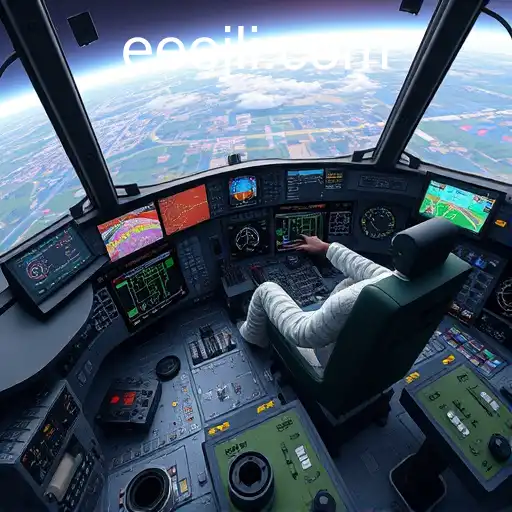
Simulation games also offer an educational component. Flight simulators, for example, replicate the physics of flying an aircraft, providing both a thrilling experience and a realistic training tool. Similarly, medical simulation games give insight into the intricacies of healthcare, challenging players to diagnose and treat ailments in a virtual environment that mimics real-world consequences.
As technology advances, the potential for simulation plays grows exponentially. Virtual reality (VR) and augmented reality (AR) are increasingly being incorporated into this genre, creating opportunities for even more immersive and interactive experiences. These technologies enhance the sense of presence and authenticity, allowing players to not just see or control an environment, but to feel as if they are a part of it.
In conclusion, simulation plays are not just about escaping reality but about enhancing our perception of it. They encourage players to think critically, solve complex problems, and immerse themselves in richly detailed virtual worlds. As we continue to push the boundaries of technology, the lines between the real and simulated are becoming increasingly blurred, making simulation games a fascinating area of exploration for gamers and developers alike.
